Cable Tool Drilling

Cable Tool Drilling

Reliable cable tool drilling using proven methods for long-lasting groundwater wells.

Water sourcing has become more challenging due to climate variability and increasing demand. One of the most time-tested methods for groundwater development is Cable Tool Drilling, a technique with ancient origins that continues to be relevant today. Moreover, when it is combined with modern advanced seismic technology, its effectiveness in locating reliable water sources is significantly improved.

The origins of Cable Tool Drilling trace back to ancient China over 4,000 years ago. At that time, early drilling systems used bamboo tools and basic percussion techniques to reach deep aquifers.

Despite its age, the method has remained in continuous use. This is because it is simple, durable, and capable of performing well in difficult geological formations. In addition, its long history proves its reliability in groundwater development.

Modern groundwater exploration no longer depends only on traditional drilling experience. Instead, seismic surveys are now conducted before drilling begins.

Advanced seismic technology helps by:

  • Mapping subsurface rock layers
  • Identifying potential aquifer zones
  • Reducing drilling uncertainty
  • Minimizing cost and time wastage

Therefore, when seismic data is combined with Cable Tool Drilling, operators can target water-bearing formations more accurately instead of drilling blindly.

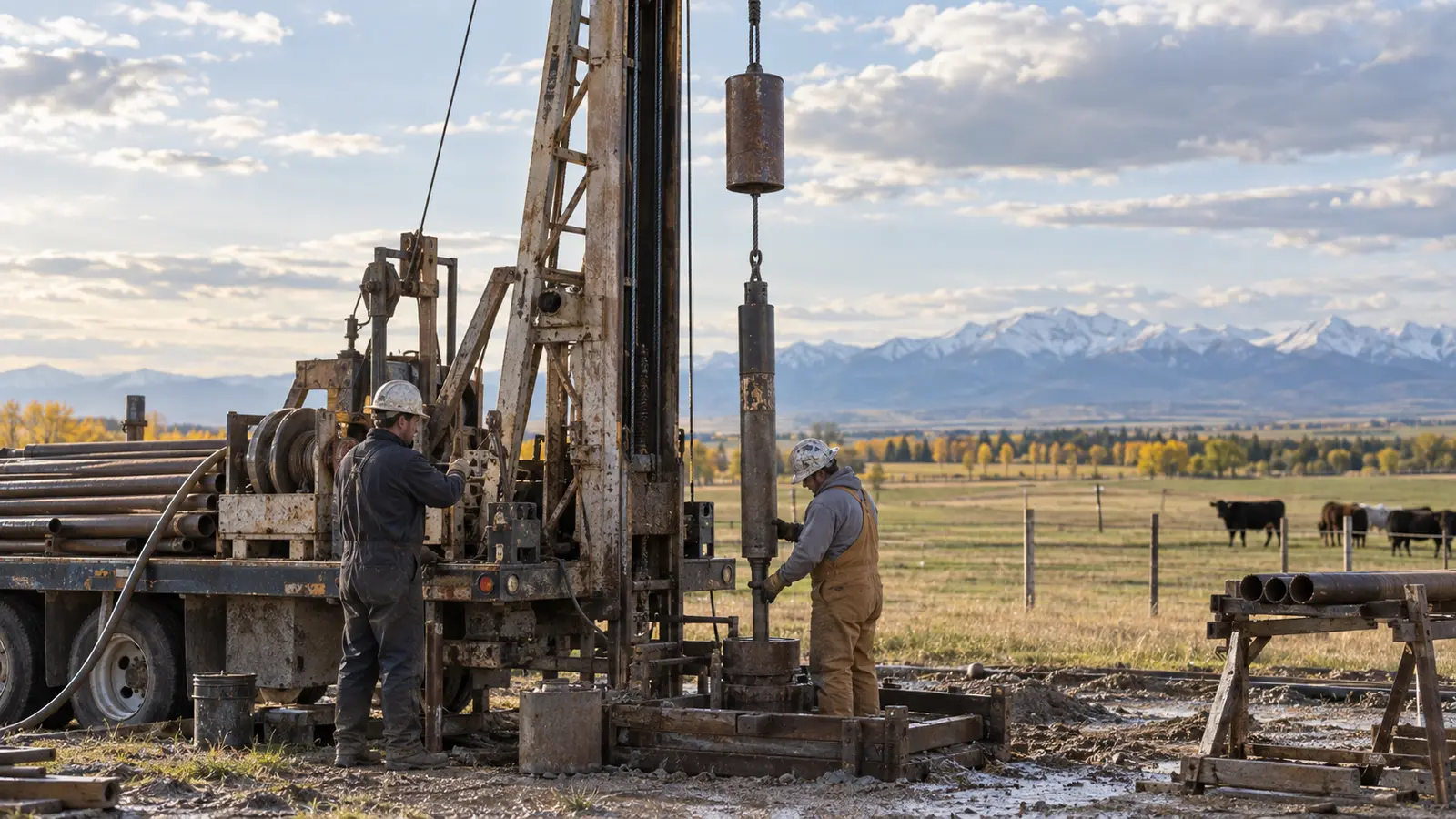
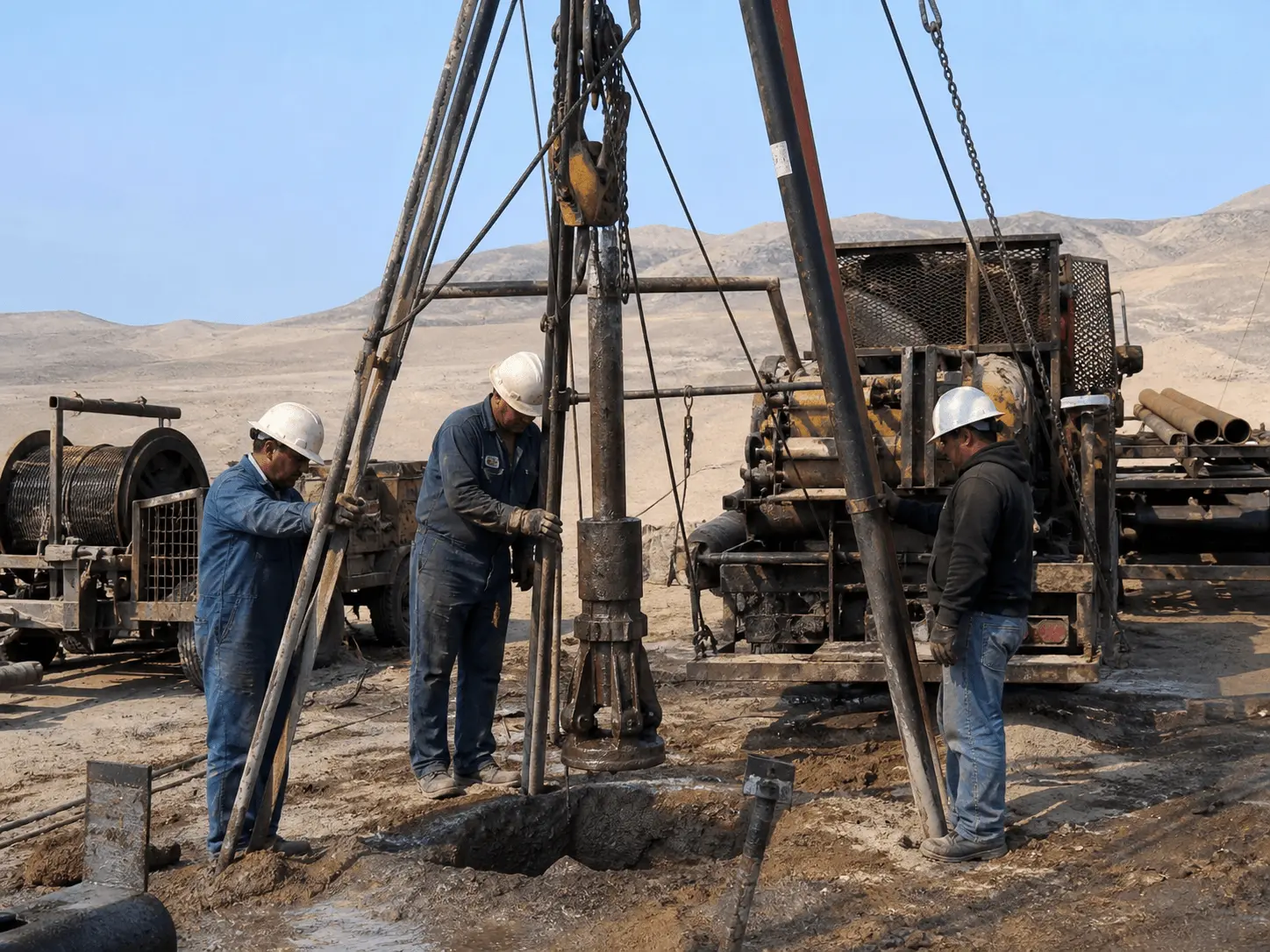
The system operates through a repetitive lifting and dropping motion of a heavy drill string. As a result, the impact fractures or loosens underground materials, creating slurry at the bottom of the borehole.

This slurry is then removed using a bailer or sand pump. Furthermore, in water-bearing formations, natural water mixes with cuttings, which improves drilling efficiency. However, when dry formations are encountered, water is added to support slurry formation and continue the process.

A typical Cable Tool Drilling setup includes:

  • Drill Bit – crushes and loosens rock or soil
  • Drill Stem – adds weight and stabilizes the borehole
  • Drilling Jars – helps free stuck tools through impact
  • Swivel Socket – transfers motion and rotation
  • Drill Line (Cable) – supports and controls tool movement

Each component works together to maintain efficiency and drilling precision. In addition, proper coordination of these parts ensures smoother operation.

The drilling action is powered by a walking beam system that lifts and drops the tool string. Consequently, each stroke creates a strong impact at the bottom of the borehole.

When properly synchronized, the bit strikes with maximum force, which improves penetration. Meanwhile, a shock-absorbing system reduces mechanical stress, increases efficiency, and extends equipment life.

Thus, this rhythmic percussion process defines the core function of Cable Tool Drilling.

Application in Different Geological Formations

Consolidated Rock

In hard rock formations, the system works mainly as a crushing mechanism. As a result, it can drill deep and stable boreholes. In most cases, casing is not required during early drilling stages.

Unconsolidated Materials

On the other hand, loose formations such as sand and gravel require continuous casing installation. This prevents borehole collapse and ensures stability. Additionally, slurry removal becomes more frequent to maintain proper drilling conditions.

In both environments, seismic data improves drilling accuracy and reduces unnecessary effort.

This method remains widely used because:

  • It is cost-effective
  • It has a simple mechanical design
  • It provides reliable sample recovery
  • It requires minimal water supply
  • It works well in remote or difficult terrain
  • It performs in unstable geological conditions

Therefore, Cable Tool Drilling continues to be a practical solution for rural water projects.

However, despite its strengths, there are some limitations:

  • It has a slower penetration rate compared to modern rotary systems
  • It may require heavier casing in unstable formations
  • It is labor-intensive
  • It is less efficient for high-volume drilling projects

Even so, these limitations can be reduced when supported by proper seismic site analysis and planning.

Advanced seismic tools significantly improve groundwater exploration. For example, they can:

  • Detect fractures and aquifers
  • Identify optimal drilling depths
  • Reduce failed boreholes
  • Support sustainable water extraction planning

As a result, when integrated with Cable Tool Drilling, seismic technology transforms traditional drilling into a more scientific and data-driven process.

Cable Tool Drilling remains one of the most reliable methods for groundwater extraction due to its simplicity and adaptability. Although it is an ancient technique, its relevance continues in modern water development projects.

Moreover, when enhanced with advanced seismic technology, it becomes more accurate, efficient, and sustainable. Together, they provide a strong combination for reliable groundwater sourcing across different geological environments.

CONTACT US NOW!

1-403-845-6676

info@findwellwater.ca

3811-53 Ave Rocky Mountain House, Alberta T4T 1V4 Canada 

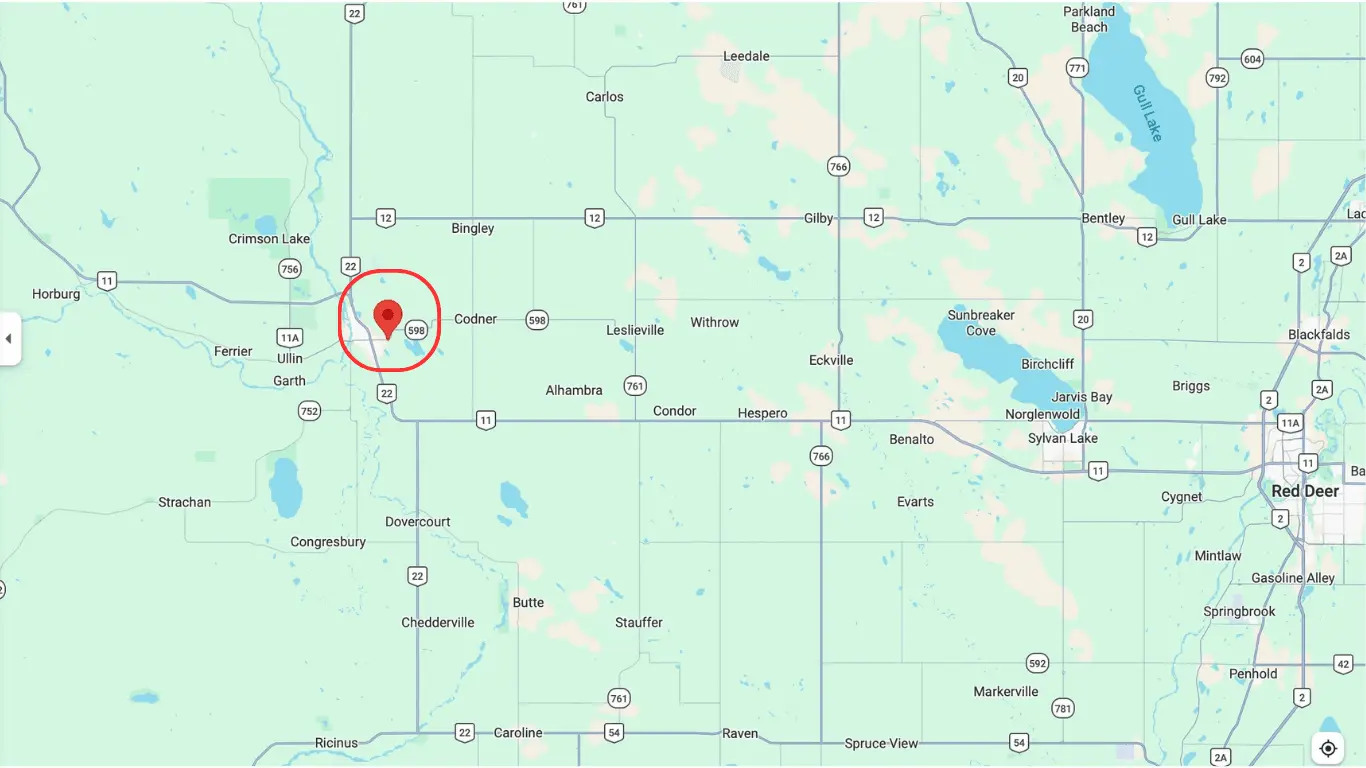
If you would like to use our services, please email us and we will provide a DocuSign agreement along with a customized estimate. Waterfind is based in Rocky Mountain House, Alberta, and we travel almost anywhere in Canada to assist clients with groundwater location services.