FAQ

Find Water Before Drilling (FAQ)

Finding Groundwater Before Drilling

1. How do I find water before drilling a well?
WaterFind uses advanced seismic groundwater surveys to locate possible water-bearing zones. Also, the survey can estimate depth in feet or meters.

2. Can you find underground water before drilling?
Yes. WaterFind helps detect possible underground water before drilling starts. Therefore, property owners can reduce guesswork.

3. How do I know where to drill for water?
The best location depends on depth, geology, and expected yield. As a result, WaterFind helps identify a stronger drilling target.

4. What is a groundwater survey?
A groundwater survey studies underground formations. In addition, it helps locate possible aquifers and water-bearing zones.

Water Depth and Aquifers

5. How deep do you have to drill for water?
Water depth depends on local geology. However, some wells may require drilling hundreds of feet.

6. What is aquifer depth?
Aquifer depth is the distance from the surface to the water-bearing zone. Usually, it is measured in feet or metres.

7. Why does aquifer thickness matter?
Aquifer thickness shows the size of the water-bearing formation. Therefore, a thicker zone may offer better water potential.

8. Can WaterFind estimate aquifer depth?
Yes. WaterFind can help estimate possible aquifer depth before drilling. However, final depth is confirmed during drilling.

Flow Rate and Water Yield

9. What is a good well flow rate?
Well flow rate is measured in gallons per minute, or GPM. Also, some reports use litres per minute.

10. How is well water flow rate measured?
Flow rate is tested by measuring water produced per minute. However, this is confirmed after drilling.

11. Can WaterFind estimate water production?
WaterFind can help predict expected water production. As a result, owners can plan better before drilling.

12. How much water is in a drilled well?
Water volume depends on depth, aquifer size, and flow rate. Therefore, every well must be tested after drilling.

Drilling Cost and Risk

13. How much does water well drilling cost in Alberta?
Cost depends on depth, casing, geology, and drilling method. Also, drilling is often priced per foot.

14. Why is drilling depth important for cost?
Deeper wells need more time, casing, and materials. As a result, they usually cost more.

15. Can WaterFind reduce dry well risk?
Yes. WaterFind helps identify stronger groundwater targets before drilling. Therefore, it can reduce the risk of a dry well.

16. Do drilled wells go dry?
Yes, some wells can go dry or lose production. However, proper groundwater assessment can help reduce this risk.

WaterFind vs Traditional Methods

17. Is water witching accurate for deep wells?
Water witching may help find shallow water. However, it usually cannot measure depth, thickness, or expected GPM.

18. What is the difference between dowsing and WaterFind?
Dowsing uses traditional methods. In contrast, WaterFind uses seismic technology and groundwater analysis.

Reports and Next Steps

19. Can old well records help find water?
Yes. Old records may show nearby depths, water levels, and yield. However, each property still needs site-specific analysis.

20. What is the best first step before drilling?
The best first step is a groundwater survey. As a result, you can choose a better drilling location before investing.

CONTACT US NOW!

+1 780 876 6676

info@findwellwater.ca

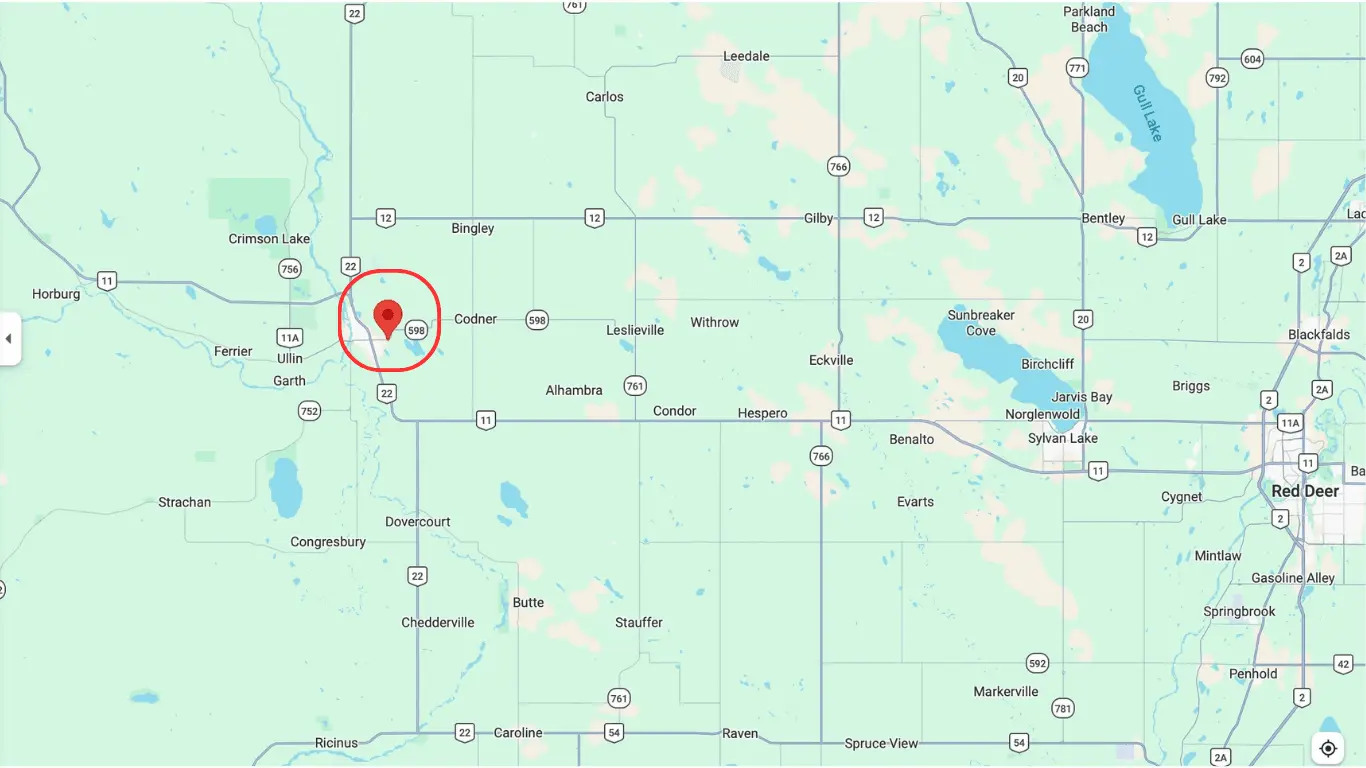
3811-53 Ave Rocky Mountain House, Alberta T4T 1V4 Canada 

If you would like to use our services, please email us and we will provide a DocuSign agreement along with a customized estimate. Waterfind is based in Rocky Mountain House, Alberta, and we travel almost anywhere in Canada to assist clients with groundwater location services.