FIND WELL WATER
Discover water before you drill with advanced seismic precision
Don’t Drill Costly Dry Water Wells: How to Improve Your Chances of Finding Groundwater
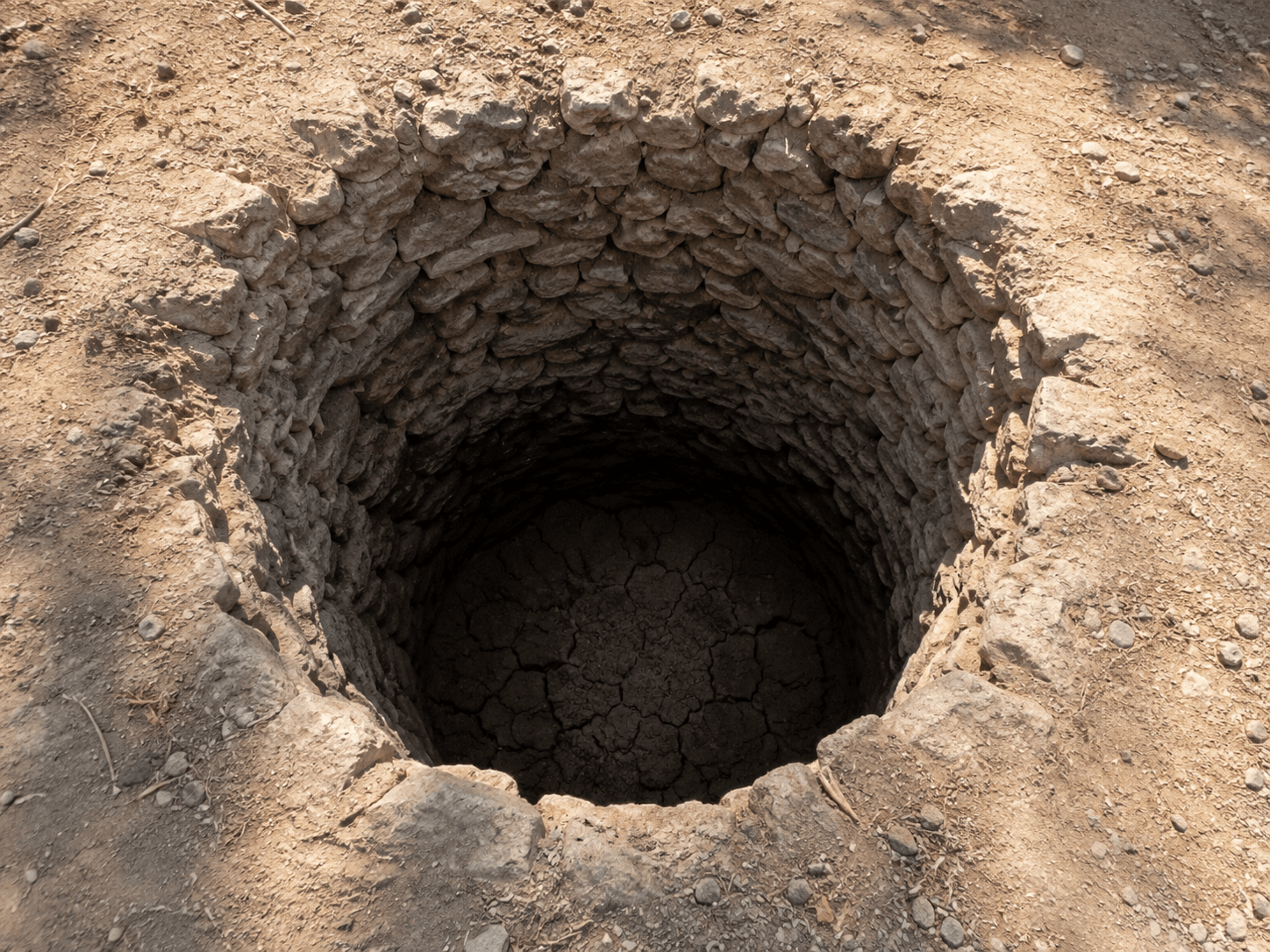
Drilling a water well is a significant investment. Unfortunately, many property owners spend thousands of dollars drilling wells that produce little water or no water at all. A dry well can lead to unnecessary expenses, project delays, and frustration.
Fortunately, modern groundwater exploration techniques can help reduce this risk. By using advanced groundwater detection methods, reviewing local well records, and understanding geological conditions before drilling, property owners can make more informed decisions and improve their chances of locating productive groundwater sources.
The Cost of Drilling a Dry Well
Drilling costs can add up quickly. Depending on depth, location, and geological conditions, a failed well can cost thousands of dollars without providing a reliable water supply.
Additional expenses may include:
- Mobilization costs
- Drilling equipment fees
- Casing installation
- Site preparation
- Additional drilling attempts
Taking steps to evaluate groundwater potential before drilling can help reduce these risks.
How Groundwater Exploration Improves Success
Modern groundwater exploration combines scientific methods and local geological data to identify promising drilling locations.
Groundwater investigations often include:
Well Record Analysis
Reviewing nearby water well records helps identify:
- Water table depth
- Aquifer characteristics
- Typical well yields
- Drilling depths
- Geological formations
This information provides valuable insight into local groundwater conditions.
Seismic Water Detection
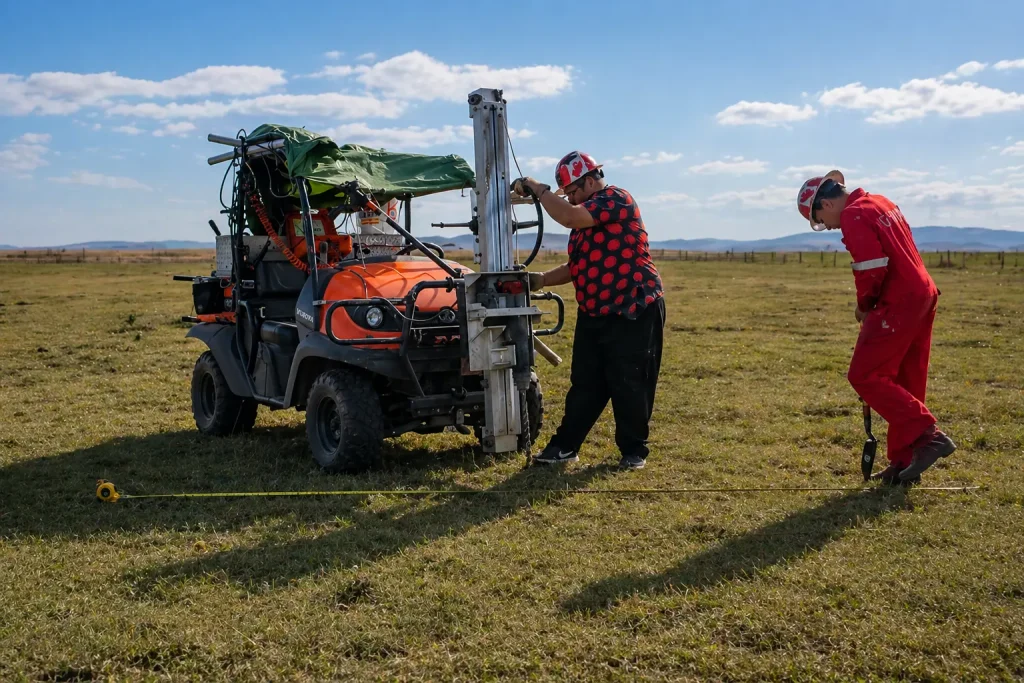
Advanced seismic technology uses sound-wave analysis to evaluate underground formations and identify potential aquifers before drilling begins.
Benefits include:
- Improved drilling accuracy
- Reduced drilling uncertainty
- Better understanding of subsurface conditions
- More informed well placement decisions
Geological Evaluation
Understanding local geology is critical when searching for groundwater. Factors such as fractured bedrock, gravel deposits, sandstone formations, and aquifer thickness can significantly influence well productivity.
Signs of Potential Groundwater
While groundwater cannot be confirmed without proper investigation, certain conditions may indicate favorable groundwater potential:
- Nearby productive wells
- Natural springs
- Low-lying terrain
- Fractured rock formations
- Historic groundwater development in the area
Professional groundwater assessments provide much more reliable information than surface observations alone.
How to Reduce the Risk of Dry Wells
Property owners can improve their chances of success by:
- Reviewing local well records
- Conducting groundwater investigations
- Using seismic groundwater detection
- Consulting experienced drilling professionals
- Understanding local geological conditions
- Selecting appropriate drilling methods
These steps help reduce uncertainty and support better drilling decisions.
Groundwater Development for Farms and Rural Properties
Reliable groundwater supplies are essential for:
- Residential properties
- Farms and ranches
- Livestock operations
- Irrigation systems
- Commercial developments
Investing in proper groundwater exploration before drilling often saves money by reducing the likelihood of unsuccessful drilling projects.
Make Informed Drilling Decisions
Drilling a water well without understanding groundwater conditions can be costly. Modern groundwater exploration techniques provide valuable information about aquifer depth, water table conditions, and potential well productivity before drilling begins.
By combining well record analysis, geological evaluation, and seismic water detection, property owners can make more informed decisions and significantly improve their chances of developing a productive water well.
Advance Seismic Technology for Water Drilling
We’re glad you’re here, and we’re excited to help you understand how groundwater can be located with confidence. Every day, we work with property owners, farmers, and land developers who need reliable water solutions. To make things easier, we created this video to clearly explain how Advance Seismic Technology for Finding Water works before you reach out.
Before contacting us, we encourage you to watch the full video. This will give you a clear and helpful understanding of how we identify potential groundwater zones, estimate aquifer depth, and improve drilling success. In addition, the video answers many of the most common questions we receive. As a result, you’ll feel more informed and prepared for your water well project.
https://www.youtube.com/watch?v=MdKr-KAlEj0
Now that you have a clearer understanding of our process, we’re ready to help you take the next step. Feel free to call us anytime so we can discuss your specific property and answer your questions. From there, we can guide you toward the best groundwater solution. Finally, we can arrange a site visit and apply Advance Seismic Technology for Finding Water. This helps identify the most promising location for a strong and reliable producing water well on your land.
CONTACT US NOW!
+1 780 876 6676
3811-53 Ave Rocky Mountain House, Alberta T4T 1V4 Canada
If you would like to use our services, please email us and we will provide a DocuSign agreement along with a customized estimate. Waterfind is based in Rocky Mountain House, Alberta, and we travel almost anywhere in Canada to assist clients with groundwater location services.