Understanding Water Well Drilling Prices: A Cost Breakdown Guide
Discover the essentials of water well drilling prices with our comprehensive cost breakdown guide, helping you make informed and budget-friendly decisions.
Factors Influencing Water Well Drilling Costs
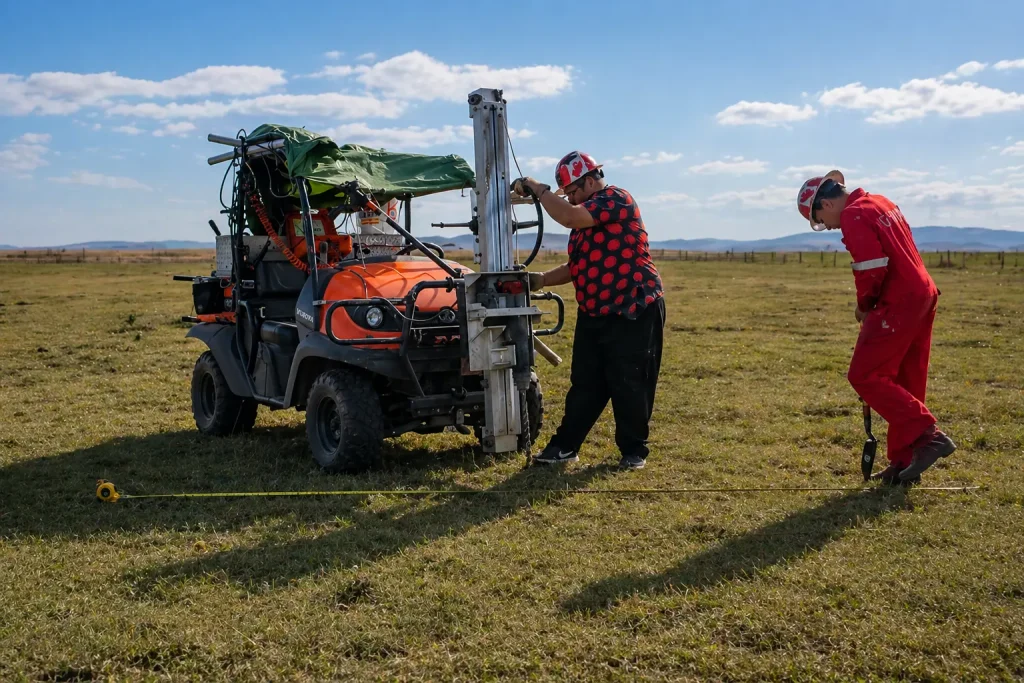
When it comes to drilling a water well, several factors can significantly impact the overall cost of the project. The first major factor is the depth of the well. Deeper wells generally require more advanced equipment and more labor, leading to higher costs. Additionally, the geological characteristics of the area can influence the complexity and cost of the drilling process. For instance, drilling through rocky terrain will be more expensive than drilling through sandy or loamy soil.
Another important factor is the location of the well site. Accessibility can play a huge role in determining the final cost. If the site is in a remote area or difficult to reach, transportation of equipment and materials can become more expensive. Furthermore, local regulations and permit requirements can also add to the overall cost. These regulations can vary widely from one region to another, making it essential to check with local authorities before starting the project.
The type of well you choose to drill can also impact the cost. Different types of wells, such as drilled wells, driven wells, and dug wells, have varying costs associated with their construction and maintenance. Each type has its own set of advantages and disadvantages, which can affect both the initial cost and long-term expenses. Understanding these factors can help you make a more informed decision and better plan your budget for the water well drilling project.
Average Costs of Water Well Drilling by Region
The cost of drilling a water well can vary significantly depending on the region where the project is being undertaken. In general, areas with a higher cost of living tend to have higher drilling costs. For example, drilling a well in a metropolitan area or a densely populated region is likely to be more expensive due to higher labor and material costs. Additionally, regions with challenging geological conditions, such as mountainous areas, can also see higher drilling costs.
In the United States, the average cost of drilling a well can range from $5,000 to $15,000, depending on the depth and complexity of the project. In the Midwest, where the soil is generally easier to drill through, costs tend to be on the lower end of the spectrum. Conversely, in areas like California or the Northeast, where the cost of living is higher and the terrain can be more challenging, prices can be significantly higher. It’s important to get multiple quotes from local drilling companies to get an accurate estimate for your specific location.
Internationally, the costs can vary even more. In developing countries, the cost of labor and materials may be lower, but the availability of advanced drilling equipment and expertise can be limited, potentially driving up costs. In contrast, in countries with well-established water well drilling industries, such as Australia or Canada, costs can be more predictable but still subject to regional variations. Understanding these regional differences is crucial for budgeting and planning your water well drilling project effectively.
Types of Water Wells and Their Cost Implications
There are several types of water wells, each with its own cost implications. The most common types are drilled wells, driven wells, and dug wells. Drilled wells are created using rotary drilling machines and can reach depths of several hundred feet. These wells are typically more expensive to construct due to the advanced equipment and labor required. However, they are also more reliable and less likely to become contaminated, making them a popular choice for residential and agricultural use.
Driven wells are constructed by driving a small-diameter pipe into shallow water-bearing sand or gravel. These wells are generally less expensive to install than drilled wells but are limited in depth. They are suitable for areas with shallow groundwater and are often used for temporary or seasonal water supply needs. However, driven wells are more susceptible to contamination and may require more frequent maintenance.
Dug wells are the oldest type of well and are constructed by manually digging a large-diameter hole until water is reached. These wells are typically the least expensive to construct but are also the most prone to contamination and drying up. They are often used in areas where modern drilling equipment is not available or where the groundwater is very shallow. While they can be a cost-effective solution in some cases, their long-term reliability and water quality can be a concern.
Equipment and Materials Used in Water Well Drilling
The equipment and materials used in water well drilling can vary widely depending on the type and depth of the well. For drilled wells, rotary drilling rigs are the most commonly used equipment. These rigs can be mounted on trucks or trailers and are equipped with powerful engines and drilling tools capable of penetrating deep into the earth. The cost of renting or purchasing a rotary drilling rig can be substantial, contributing to the overall cost of the project.
In addition to the drilling rig, other essential equipment includes drill bits, casings, and well screens. Drill bits come in various sizes and types, designed to handle different geological conditions. Casings are used to line the well and prevent the walls from collapsing, while well screens filter out sand and other particles to ensure clean water flow. The quality and durability of these materials can impact both the initial cost and long-term maintenance expenses.
For driven wells, the equipment required is generally less complex. A well driver or hammer is used to drive the pipe into the ground, and a well point is attached to the end of the pipe to filter the water. While the equipment costs are lower, driven wells may require additional materials such as sand or gravel packs to stabilize the well and prevent contamination. Understanding the specific equipment and material needs for your well type can help you budget more accurately and ensure a successful drilling project.
Labor Costs in Water Well Drilling
Labor represents a major portion of total water well drilling costs. Rates vary based on location, project complexity, and the experience of the drilling crew. Areas with higher living costs often have higher labor rates, which can increase the overall project budget. Specialized certifications and technical expertise may also raise labor expenses.
A water well drilling project requires several skilled professionals. The drilling rig operator manages the equipment and oversees drilling operations. Drilling assistants prepare the site, handle materials, and support daily activities. In some cases, geologists or hydrologists evaluate the property, identify suitable drilling locations, and help ensure compliance with local regulations.
Project duration also affects labor costs. Deep wells and complex drilling conditions often require more time and manpower. Difficult terrain, equipment issues, or challenging geological formations can delay progress and increase expenses. Planning for these potential challenges can help you create a more accurate budget and avoid unexpected costs.
Permits and Regulatory Fees for Water Well Drilling
Getting the right permits is an important step in any water well drilling project. Permit costs vary by location and local regulations. Some areas require several approvals, such as drilling permits, water-use permits, and environmental assessments. These permits help protect groundwater resources and ensure safe well construction.
The permitting process often takes time. Property owners may need to submit plans, complete site assessments, and schedule inspections. Permit fees can range from a few hundred to several thousand dollars, depending on project requirements and local rules. Before drilling begins, review your area’s regulations and include these costs in your budget.
Some jurisdictions also charge ongoing regulatory fees. For example, local authorities may require periodic water testing and well inspections. These services can increase overall costs, especially if inspectors identify issues that require repairs or upgrades. Understanding all permit and compliance requirements helps you avoid unexpected expenses and plan more accurately.
Long-Term Maintenance Costs of Water Wells
Drilling a water well is only part of the investment. Regular maintenance keeps the system operating efficiently and helps protect water quality. Common maintenance tasks include well inspections, water testing, cleaning, and replacing worn components such as pumps, casings, and screens.
Maintenance costs depend on well conditions and water quality. Wells in areas with high sediment or mineral content often need more frequent cleaning. Agricultural and commercial wells may also experience greater wear because of heavier use. Scheduling routine maintenance can extend the life of your well and reduce the risk of expensive repairs.
Unexpected problems can still occur. Pump failures, leaks, and contamination issues may require immediate attention. Quick action often prevents more serious damage and higher repair costs. Setting aside funds for emergency repairs can help you manage these situations without disrupting your budget. A long-term maintenance plan helps ensure a dependable water supply for years to come.
Tips for Budgeting Your Water Well Drilling Project
A well-planned budget can help you control costs and avoid surprises during your water well project. Start by requesting quotes from several reputable drilling contractors. Comparing estimates helps you understand local pricing and identify unusually high or low bids. Ask each contractor for a detailed breakdown of labor, materials, equipment, and permit costs.
You should also account for factors that can affect drilling expenses. Well depth, geological conditions, and unexpected site challenges can all increase costs. Including a contingency fund in your budget provides extra financial flexibility if unexpected issues arise. Researching permit requirements early can also help prevent delays and additional fees.
Don’t overlook long-term maintenance costs when planning your budget. Routine inspections, water testing, cleaning, and equipment replacement all contribute to the total cost of ownership. Factoring these expenses into your financial plan helps ensure the well remains reliable and productive. Careful budgeting allows you to make informed decisions and manage costs more effectively.
Conclusion: Making Informed Decisions on Water Well Drilling Costs
Understanding the various factors that influence the cost of water well drilling is essential for making informed and budget-friendly decisions. By considering the depth of the well, geological conditions, location, and type of well, you can better plan for the overall expense of the project. Additionally, researching regional cost variations, obtaining necessary permits, and accounting for long-term maintenance costs can help you create a comprehensive budget that covers all potential expenses.
It’s also important to gather multiple quotes from reputable drilling companies and ask for detailed cost breakdowns to ensure you have a clear understanding of the overall expense. By factoring in potential variables and building a contingency fund into your budget, you can be better prepared to handle unexpected challenges and avoid financial surprises. Additionally, considering the long-term maintenance needs of your well can help you plan for ongoing expenses and ensure a reliable water supply for years to come.
Making informed decisions about water well drilling costs requires careful planning and consideration of all potential factors. By taking the time to research and budget for your project, you can ensure a successful and cost-effective drilling process. Whether you’re drilling a well for residential, agricultural, or industrial use, understanding the full scope of costs involved can help you make the best decisions for your specific needs and ensure a reliable and sustainable water supply.